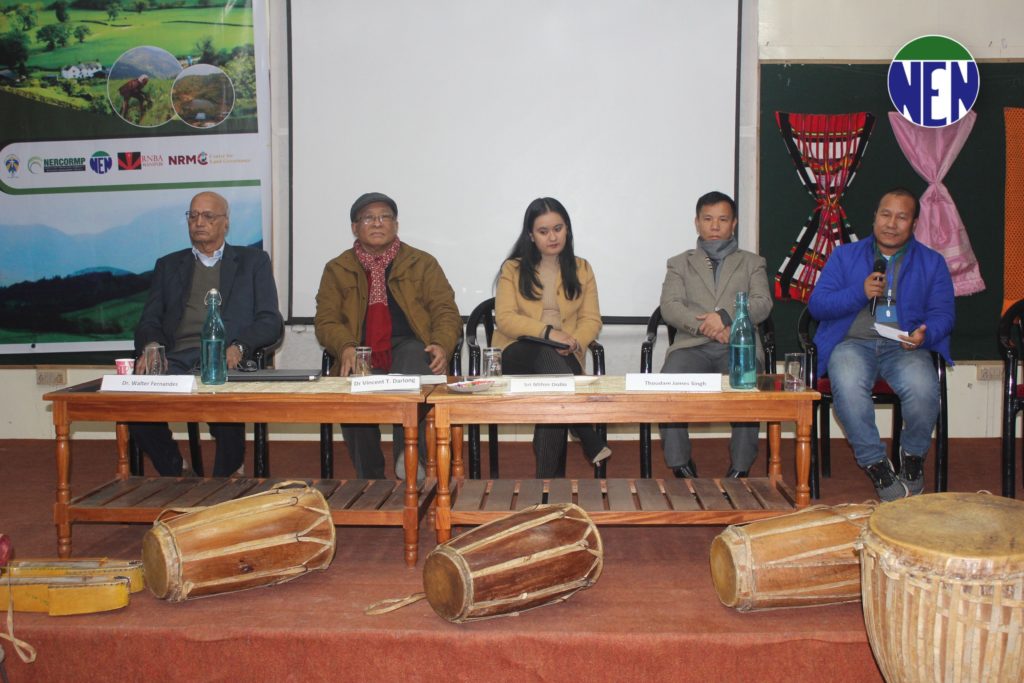
Tribal identity globally has always been defined by one primary natural resource- Land. It comes as no surprise then, that the majorly tribal inhabitants of North East India derive all their social, cultural, political and economic sustenance from their land. It ‘exemplifies and boasts unique and rich diversity in land governance regimes which are witnessing a rapid transformation vis-a-vis contemporary development paradigms, generating opportunities, challenges and risks for local community and other land actors, while underlining engagements by multi-actors from different sectors, across scale and levels’ (Centre for Land Governance).
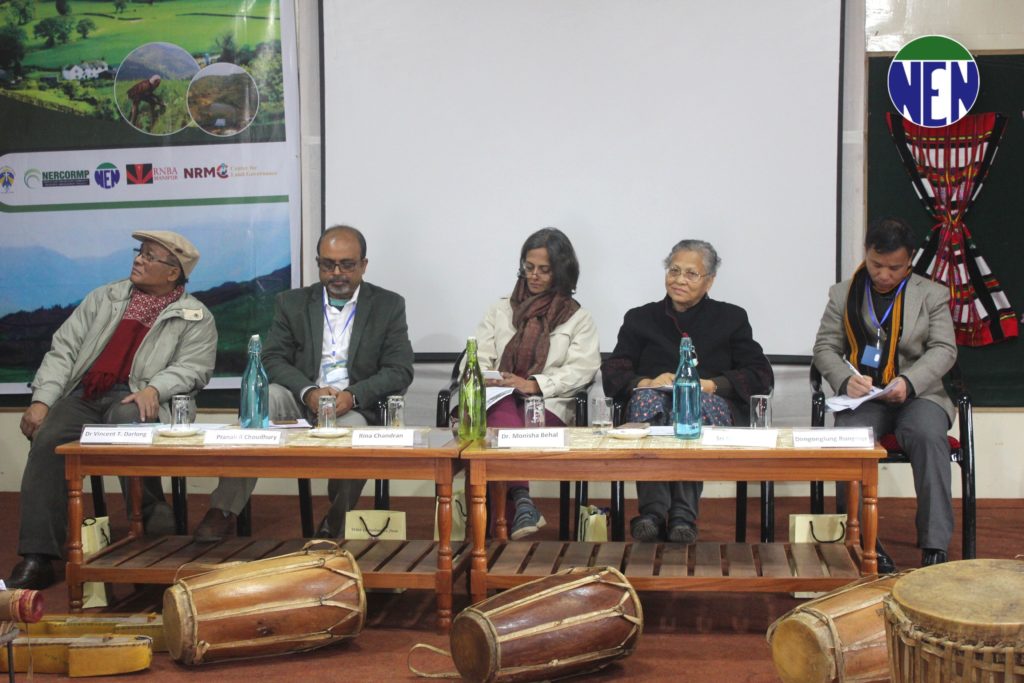
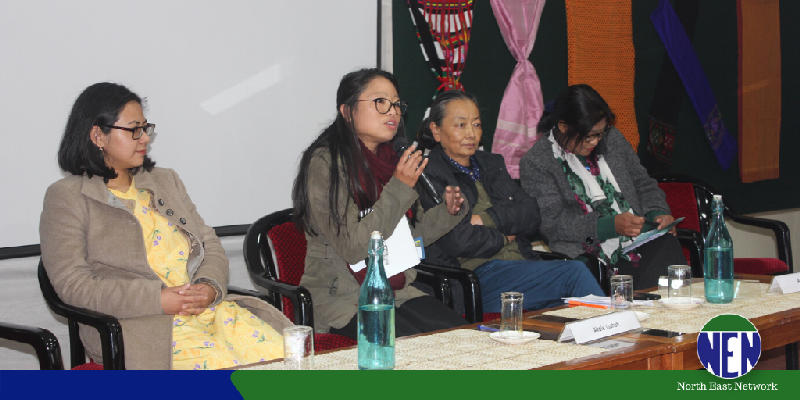
Having been around in the region for over 2 decades now, we understand that this is a discussion that we must engage in. We, therefore, facilitated a session around gender identity and land in the northeast where women leaders from Nagaland, Meghalaya spoke on why Community living works and how it must not be tied down to the written word in the name of recognition as a primary characteristic of tribal laws are their diversity and hence inclusive flexibility.
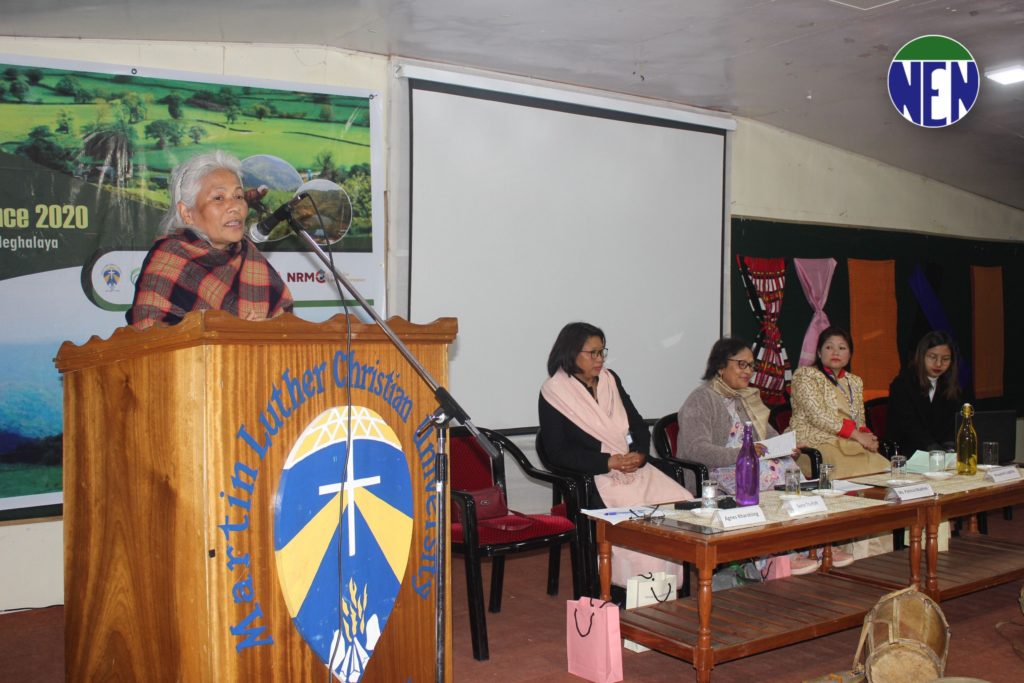
The Land Conference in North East India was a humble first step of the India Land Ecosystem in this direction. NE India exemplifies and boasts unique and rich diversity in land govern-ance regimes which are witnessing a rapid transformation vis-à-vis contemporary development paradigms, generating opportunities, challenges and risks for local community and other land actors, while underlining engagements by multi-actors from different sectors, across scale and levels.
We had as part of our panel, Linda Chhakchhuak, a journalist who has worked for several web/print news and features agencies. She is the publisher of Grassroots Options, northeast India’s first magazine on people, environment and development. She illustrated the importance of living in harmony with nature rather than assume a superior position. States, she said must recognize that community laws adhere to this harmony and give them the legal status they deserve. Ms Angunlo Aeir brought a fresh perspective when she said that recognition must not mean codification as the fluidity of these laws is what allows them to change with times and situation.

While communal systems were able to accommodate traditional and natural resources-based livelihoods, they are now increasingly challenged by the demands of new models of economic development. The system of land governance based on un-codified customary norms, traditional/ocular measurements, verbal/local rights recognition, village-based dispute resolutions is struggling to cope up with the increasing aspirations, livelihoods needs and disputes, fuelled by liberalization, privatization and globalization. Questions like protection of indigenous identity; local cultural diversity and customs, in-formed consent, data privacy and ethics are emerging as new narratives open to debates. Concerns around individualization and privatization of land tenure; threats of dilution of community tenure, collective actions and common pool resources; risks of centralization of land administration and arguments on women land rights within customary regimes are growing while development induced acquisitions and expropriation of land are increasingly contested.