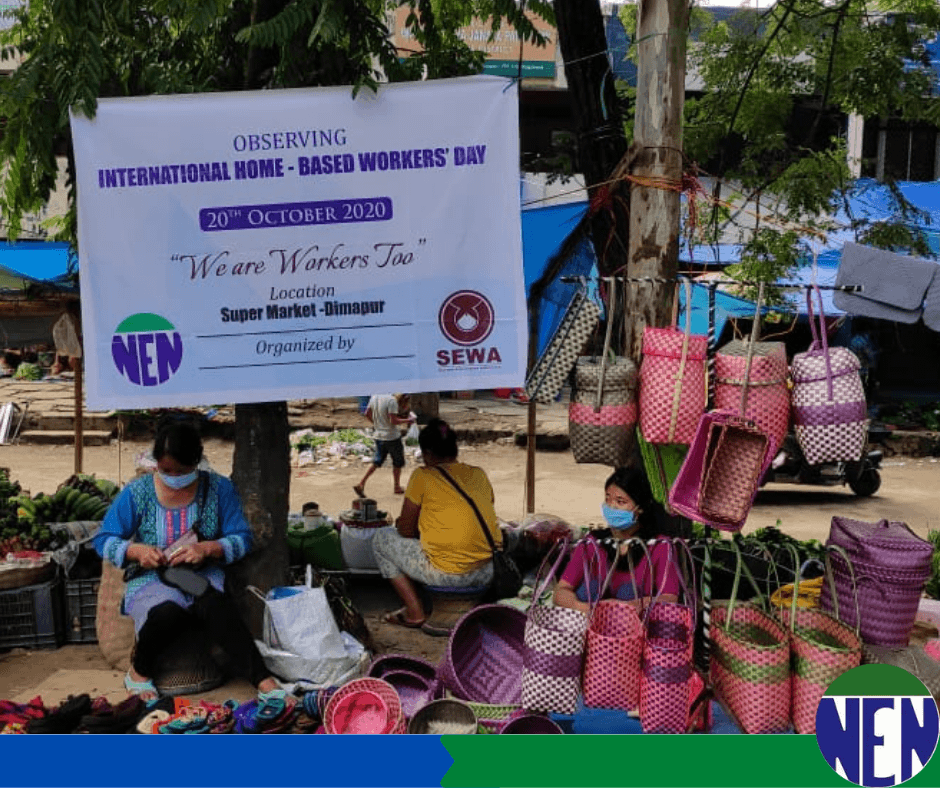
Women have become more independent, more vocal, and bolder in today’s day and age, they no longer wait for opportunities they create them. Such is the example of Home Based Workers. North East network celebrated this day by exhibiting testimonial videos and also engaging with these women entrepreneurs by conducting several pieces of training and also held an exhibition cum sale market for the day. In an effort to evince the role and contribution of women Home Based Workers (HBWs) in Nagaland, North East Network Nagaland in collaboration with SEWA – Nagaland, an informal sector women workers’ collective observed the International Home Based Workers day on 20th October 2020 across three districts in Nagaland.
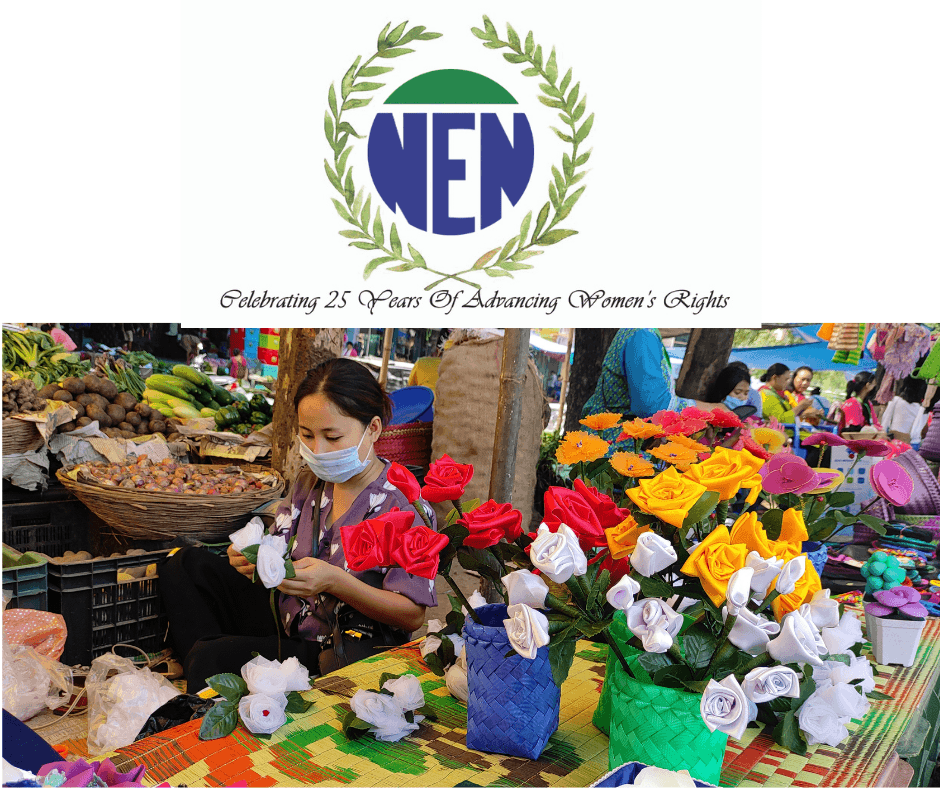
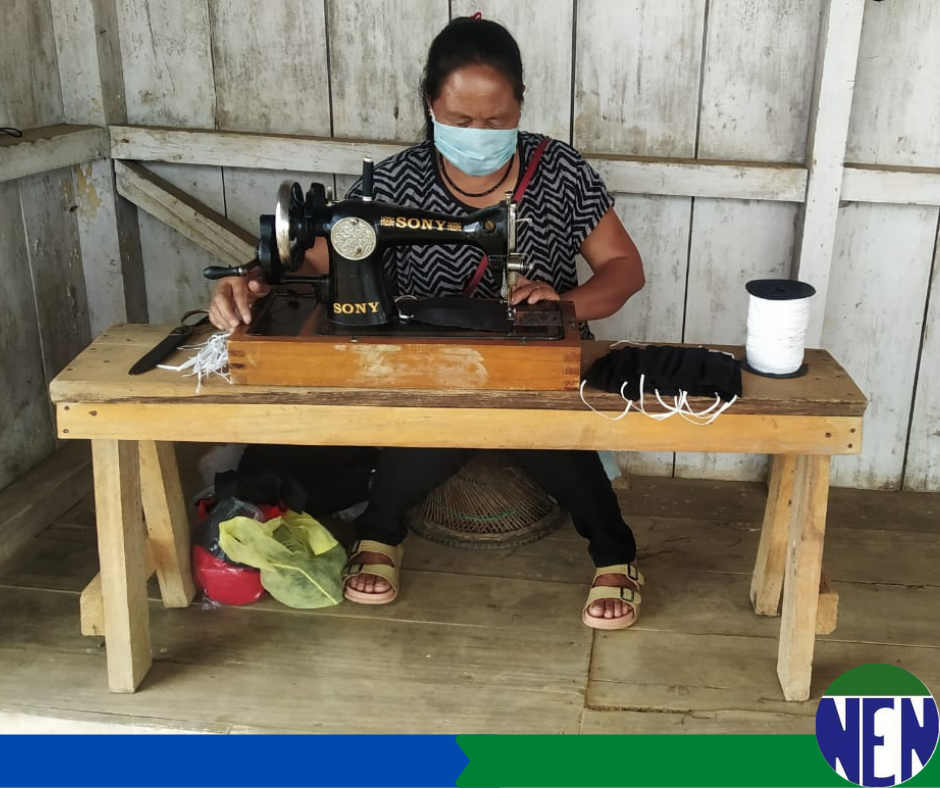
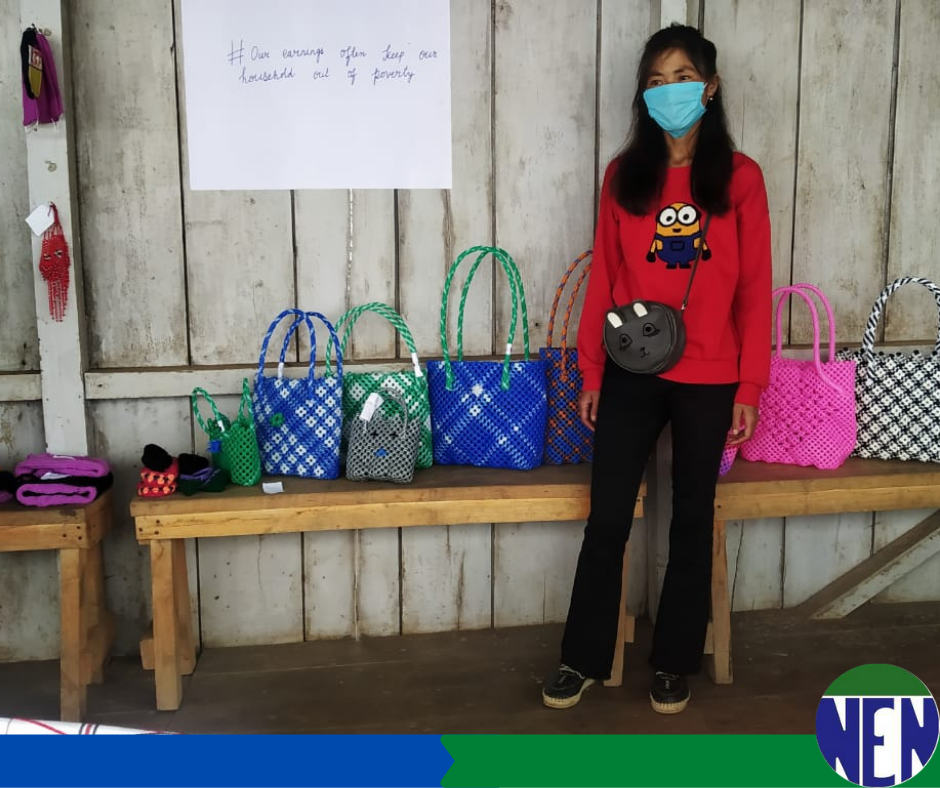
People nowadays are becoming more health-conscious and Home Based Workers (HBW) produces goods and services for the market from within and around their homes locally and organically grown. Like the saying “Think Global, Act Local”, in Nagaland,a large section of women HBW are their own-account/ self -employed workers, engaged in weaving textiles and stitching clothes, processing and preparing food items, making craft products including jewellery, basket weaving, shoe-making, etc. Not only do they contribute to the family’s income but also significantly to the local and national economy. But, despite it all, they still remain largely invisible, isolated, and marginalized from the eyes of the world.
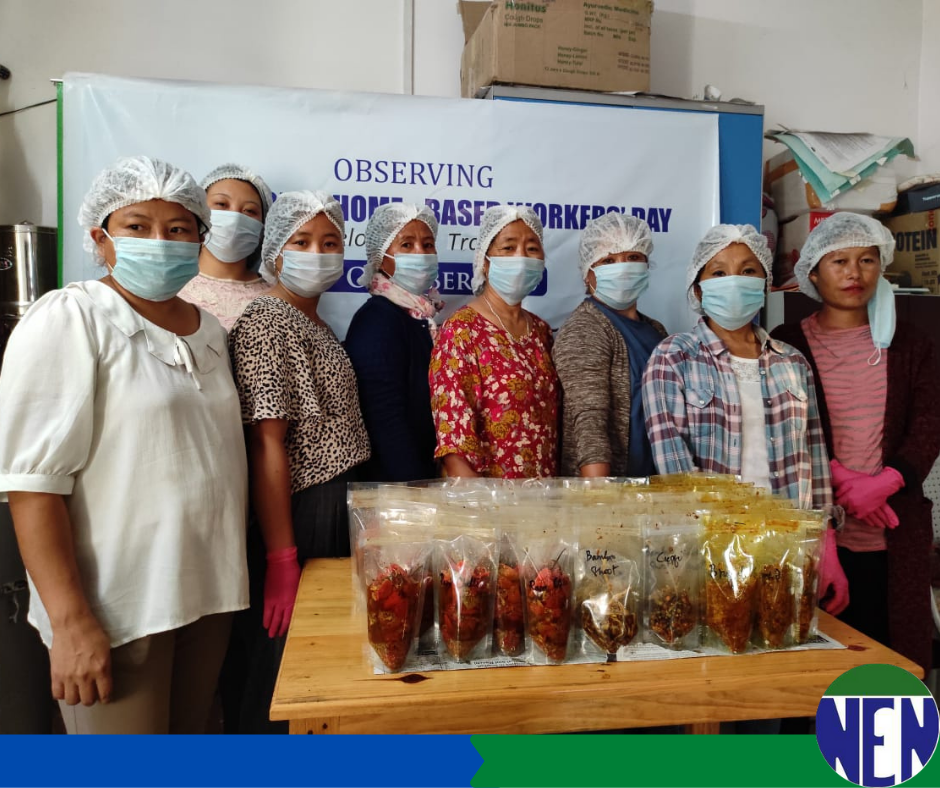
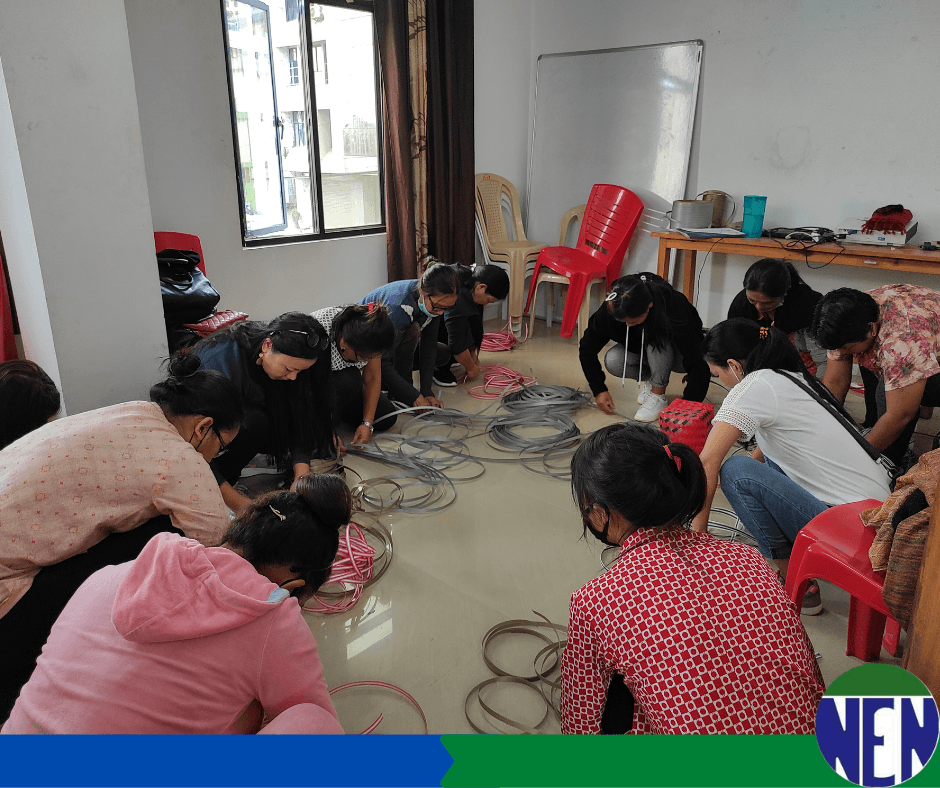
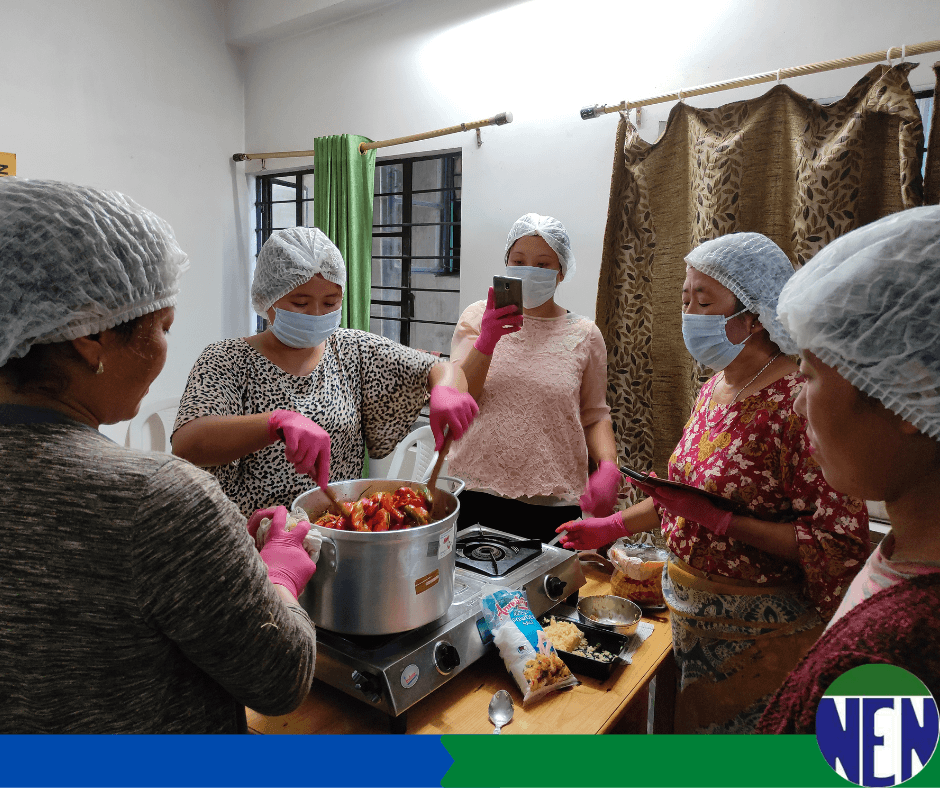
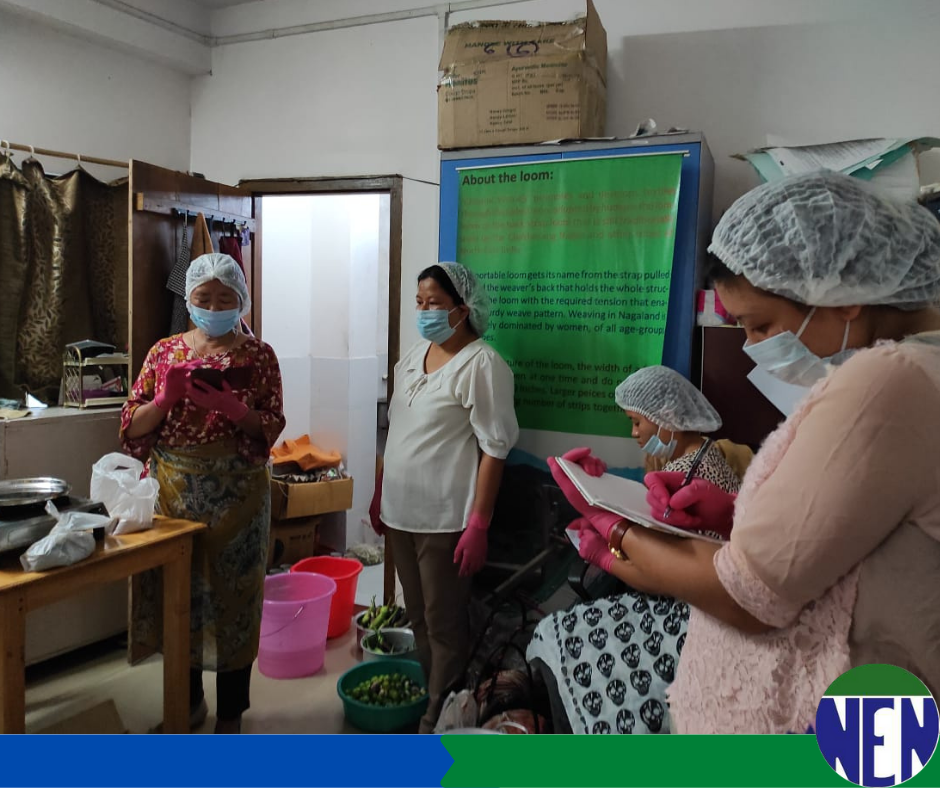
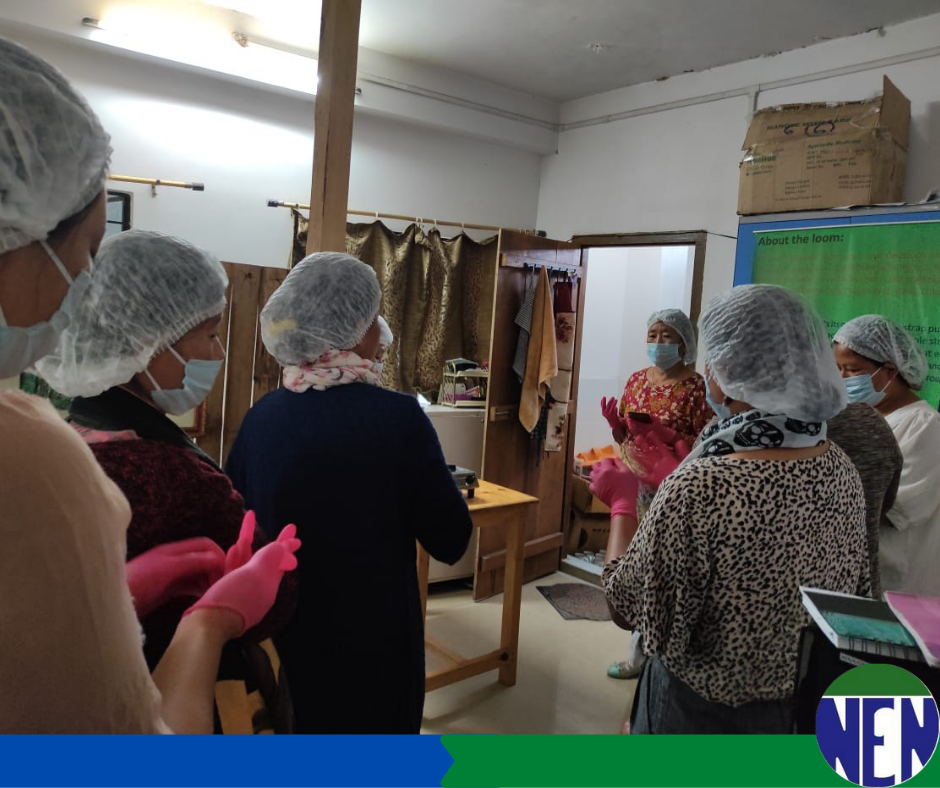
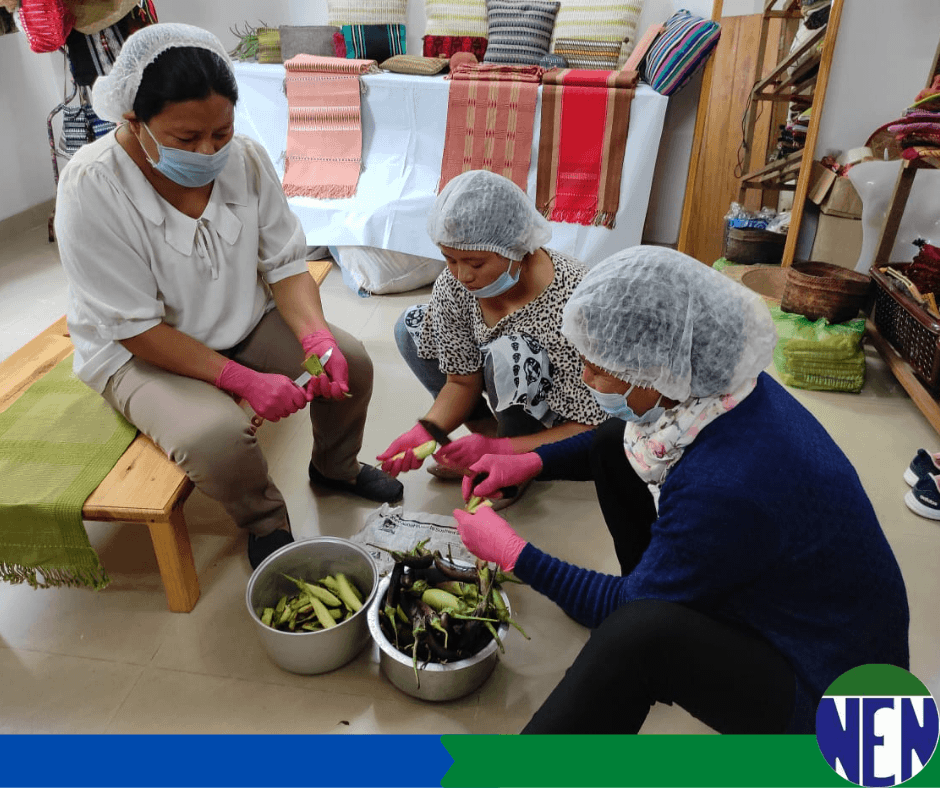
A skills development training program was also one of the day’s itinerary, in hands-on training,12 HBWs learned basket weaving from Ms. Bedukhrulu. Basket weaving is one of the oldest rural traits and does not require additional infrastructure or high capital investment, and its portability makes it convenient for HBWs to engage in this activity. Whereas 7 HBWs participated in food processing training imparted by Ms. Vizotuo-u, where they were trained on pickle making process using seasonal vegetables such as bitter gourd, king chilli, brinjal and cherry tomatoes. The training aimed to equip the HBWs with the knowledge and skills to preserve surplus seasonal vegetables through value addition, while enabling them to earn an additional source of income.
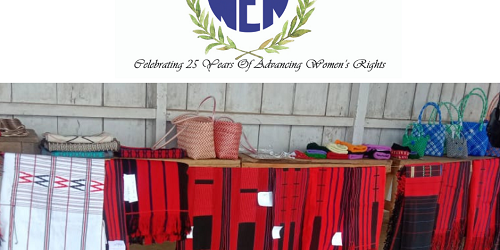
At Shamator, Tuensang district, 23 HBW participated in the Exhibition cum Sales of HBWs’ products. Items that were on sale included local snacks, chilli powder, traditional jewellery, woven textiles, baskets, knitted accessories, pickles, tailored masks, etc. The market attracted many consumers. Similarly, at Dimapur, 74 HBWs participated in the Exhibition cum Sales of HBWs’ products in the market area.
North East Network also released a video of HBWs titled ‘We are Workers Too’ and distributed a pamphlet on HBWs. It may be noted that the International Labour Conference (ILC) adopted the Home Work Convention in 1996 recognizing HBWs. This Convention (C177) aims to promote and protect the rights of those who work at home creating products.
We salute the home-based workers for their continuous efforts and their ongoing spirit towards making a difference in society and for choosing to support their families especially in times like these.